AGADIR, Morocco – In a display of tactical brilliance and unwavering composure, the German U16 women’s handball team has etched its name into the history books. By clinching the gold medal at the inaugural U16 World Championship in Agadir, Morocco, the young German side has not only signaled the arrival of a new generation of elite talent but has also reinforced Germany’s status as a global powerhouse in handball. The team, spearheaded by the offensive prowess of HC Leipzig’s Romy Sieber, defeated a formidable Hungarian squad with a final score of 37:32 (17:15) in a Saturday evening thriller that captivated spectators and scouts alike.
A Dominant Run to the Top
The road to the top of the podium was anything but simple, yet the German squad navigated the tournament with a level of maturity that belied their age. Under the guidance of head coach Gino Smits and the strategic oversight of youth director Heike Ahlgrimm, the team entered the tournament with high expectations following a string of successful performances by other German youth categories in recent years.
The campaign began with a flawless performance in the group stages. The German side systematically dismantled their opposition, securing decisive victories against Mexico, Tunisia, and Uzbekistan. These matches served as a pressure cooker for the young squad, allowing them to refine their defensive structures and test their depth.
The most significant test of their resolve, however, arrived in the semi-finals. Facing a highly tactical and physically imposing Russian side, the German juniors found themselves in a high-scoring battle. In a match that went down to the wire, Germany managed to outlast their rivals, clinching a 34:31 victory. This win not only solidified their place in the final but served as a psychological turning point, proving that they possessed the grit necessary to handle championship-level pressure.
The Final Showdown: Sieber Leads the Way
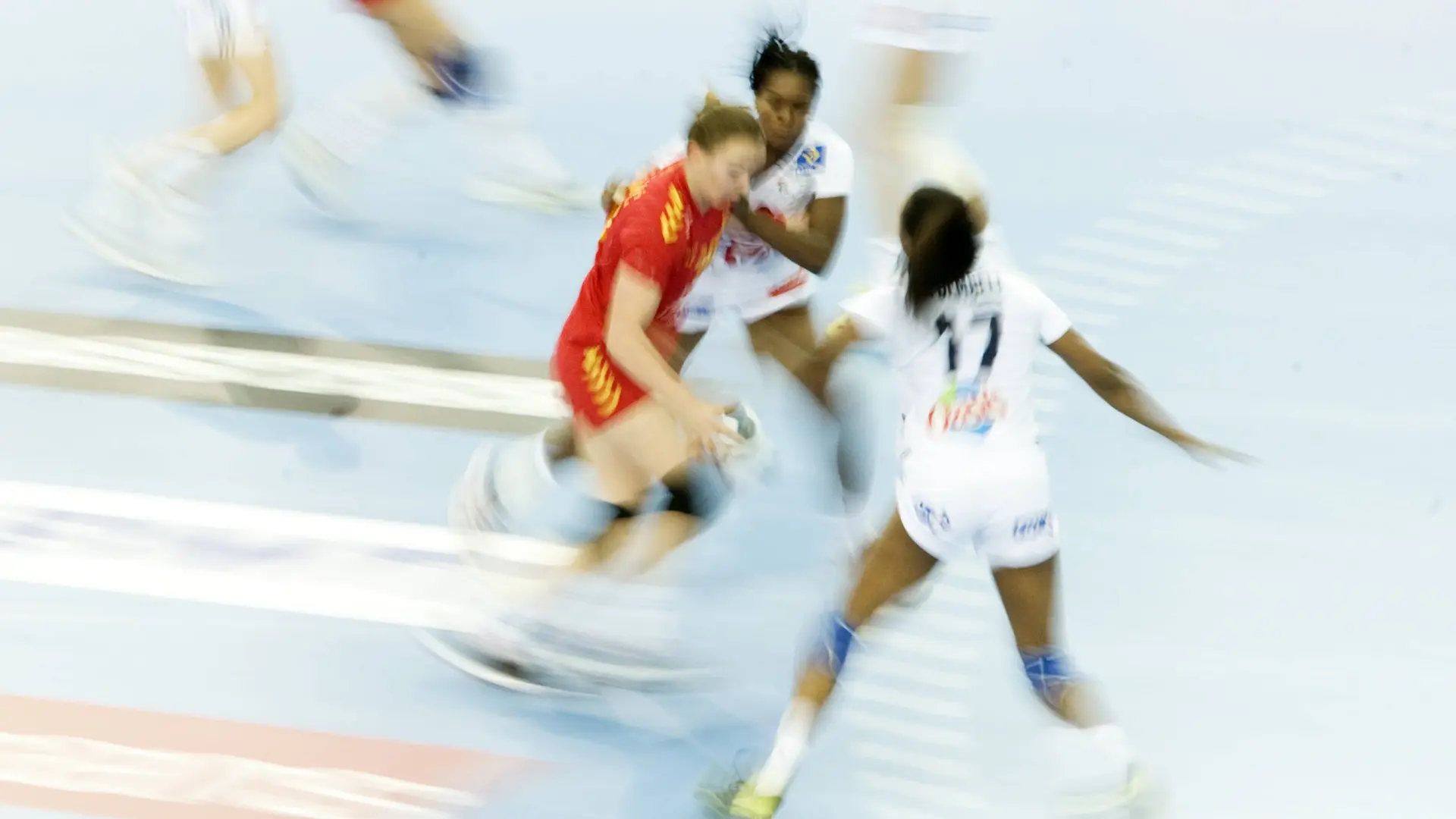
The atmosphere in the Agadir arena was electric as the final against Hungary commenced. Hungary, known for its disciplined youth development program, entered the game as a slight favorite, having cruised through their own side of the bracket.
The match was a tactical chess game from the opening whistle. Germany’s defensive line, anchored by agile movement and rapid transition, forced the Hungarian offense into forced errors. By halftime, Germany held a narrow 17:15 lead, a testament to the intensity of the contest.
In the second half, the game shifted into high gear, and it was here that Romy Sieber cemented her status as the tournament’s breakout star. The HC Leipzig talent was an unstoppable force on the court, utilizing her spatial awareness and lethal shot accuracy to penetrate the Hungarian defense. Sieber finished the match with a remarkable eight goals, emerging as the top scorer of the final. Her ability to shoulder the offensive burden during critical junctures of the second half allowed Germany to maintain a comfortable buffer, ultimately leading to the 37:32 victory.
The "Golden Era" of German Handball
The triumph in Morocco is not an isolated incident; rather, it is the latest jewel in a crown of successes for the German Handball Federation (DHB). In just three years, the German youth ranks have achieved a level of consistency that few nations can match.
The trend of excellence began in 2023, when the men’s U21 team captured the World Championship on home soil. This momentum acted as a catalyst for the younger cohorts. By 2025, the men’s U17 and U19 teams had also ascended to the top of the podium, securing World Championship gold medals. On the women’s side, the U19 squad claimed the European Championship, while the U20 junior team secured a world title in China earlier this year.
This string of victories has prompted analysts to describe the current period as a "Golden Era" for German handball. The synergy between regional clubs like HC Leipzig and the national youth coaching staff—led by figures like Heike Ahlgrimm—has created a sustainable pipeline of talent. The focus is no longer just on winning individual matches, but on cultivating a cohesive, high-IQ style of play that translates across all age groups.
Official Responses and Tactical Implications
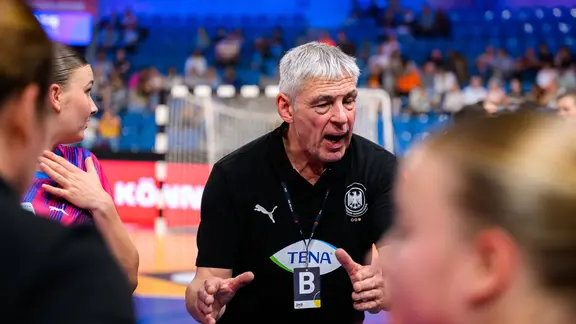
Following the final, the sentiment within the German camp was one of pride and cautious optimism. Head Coach Gino Smits praised the collective effort of the squad, noting that the victory was a result of long-term development rather than individual brilliance alone.
"We came here with a plan to test our limits against the best in the world," Smits stated in a post-match interview. "Winning the gold is a fantastic reward, but the most important takeaway is the tactical maturity these young women demonstrated. They didn’t just play; they thought through every possession. The resilience shown in the semi-final against Russia was the real moment this team became champions."
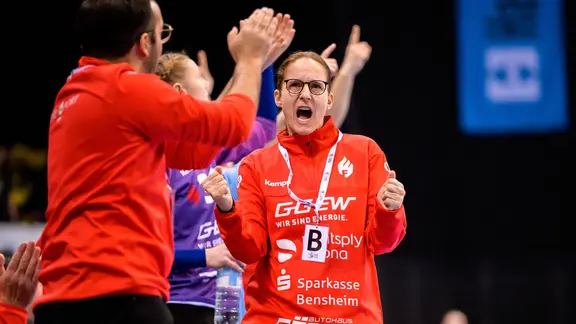
Heike Ahlgrimm, whose leadership has been instrumental in the recent success of the female youth programs, emphasized the importance of maintaining this momentum. "We are seeing the fruits of a very intentional investment in our youth structure. It’s not just about the medals; it’s about ensuring that when these players graduate to the senior national team, they arrive with the technical, physical, and mental tools required to perform at the highest level of international competition."
The implications of this win extend beyond the borders of Germany. By winning the inaugural U16 World Championship, Germany has set the benchmark for the format. International scouts from top-tier professional clubs in Denmark, Norway, and Hungary were present in Agadir, and there is little doubt that the performance of players like Romy Sieber will lead to significant interest in the coming transfer windows.
Challenges Ahead: Sustaining the Success
While the current joy is palpable, the challenges of sustaining this level of success are significant. The transition from U16 to senior handball is notoriously difficult. Many players who dominate at the youth level struggle to adapt to the increased physicality and speed of professional, adult leagues.
The DHB is aware of this transition gap. Strategic initiatives are currently in place to ensure that young players are not "burned out" by the age of 18. By balancing club responsibilities with national team camps, the federation aims to provide a structured pathway that allows these athletes to develop at their own pace.

Furthermore, the global landscape of handball is becoming increasingly competitive. As other nations, particularly those in Eastern Europe and Asia, continue to invest heavily in their own youth programs, the margin for error for the German squads will inevitably shrink. The victory in Agadir provides a foundation, but the coaching staff remains focused on the next cycle of development.
Conclusion: A Bright Future
The U16 World Championship in Agadir will be remembered as the tournament where a new generation of German handball stars announced themselves to the world. Through five games, the team remained undefeated, overcoming every tactical challenge placed before them.
As the players return home, they do so not just as gold medalists, but as part of a larger, systemic success story. The "Goldrausch" (gold rush) that has defined German handball over the past three years shows no signs of slowing down. With a deep talent pool, a cohesive coaching philosophy, and a winning culture, the future of German handball looks brighter than it has in decades. For Romy Sieber and her teammates, this victory is likely just the first of many chapters in what promises to be a spectacular career on the international stage.
The world of handball is watching, and if the U16s are any indication, the future of the sport is in very capable hands.