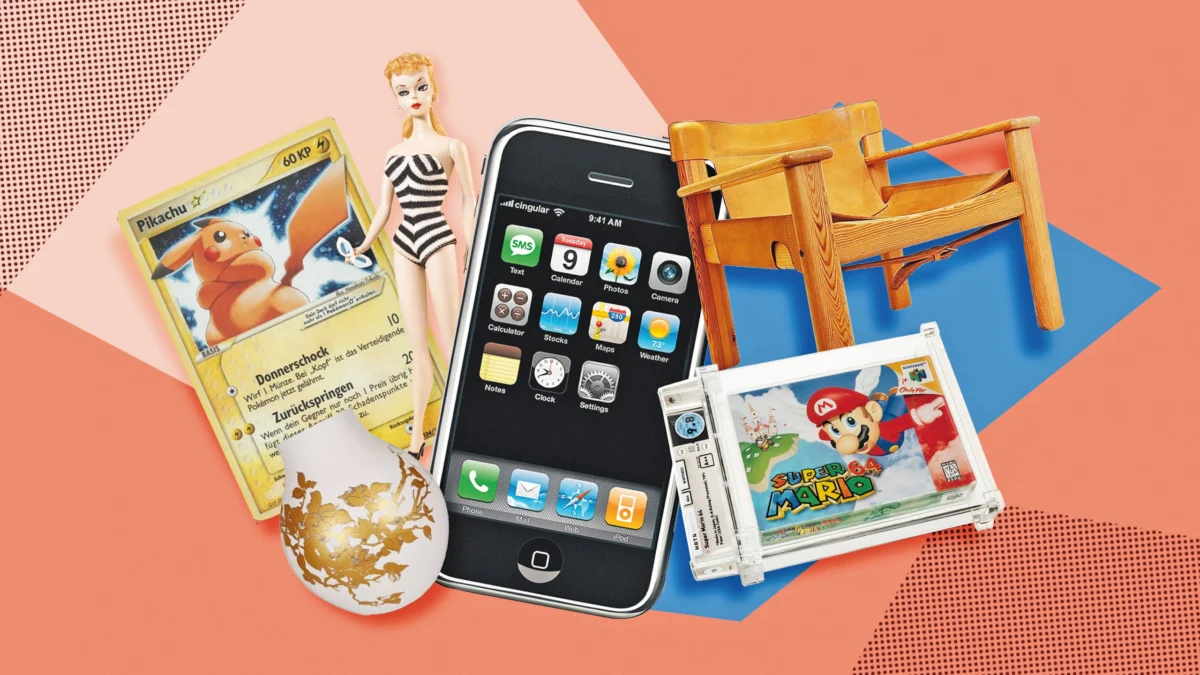
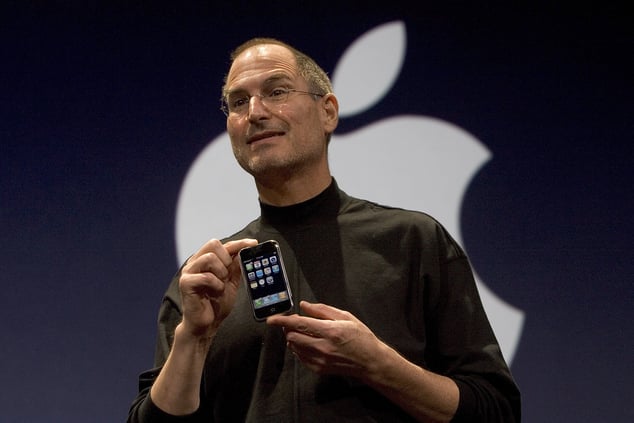
In 2023, a first-generation iPhone, still sealed in its original, pristine packaging, fetched a staggering $190,000 at auction. When Apple first launched the device in 2007, it carried a retail price of $499. This represents an eye-watering 380-fold increase in value over sixteen years. While such figures might seem like an anomaly, they are symptomatic of a burgeoning "nostalgia economy" where mundane consumer goods have transformed into high-stakes financial assets.
From vintage video games and plastic dolls to fast-food toys and discarded sports memorabilia, the boundary between "trash" and "treasure" has blurred. Collectors and investors are increasingly scouring attics, basements, and forgotten storage units in search of items that once represented the cutting edge of pop culture but now serve as tangible pieces of history.

The Anatomy of a Sammlermarkt: Why We Collect
To understand why a plastic-wrapped Nintendo cartridge or a first-edition smartphone can command prices that rival fine art, one must look at the psychological and economic drivers of the collecting market. Jacco Scheper, CEO of Heritage Auctions Europe, has spent his career observing this phenomenon. For Scheper, the fascination with collecting is rooted in the human desire to recapture a tangible link to the past.
"Videogames like Super Mario 64 were not expensive when they launched in 1996," Scheper explains. "They were ubiquitous. Everyone had one." Yet, five years ago, his firm auctioned a factory-sealed, never-played copy of the title for $1.56 million. The price gap between a common used cartridge and this pristine specimen illustrates the primary rule of modern collecting: scarcity, when paired with high emotional resonance, creates exponential value.

Chronology of the Nostalgia Boom
The shift from utilitarian consumption to investment-grade collecting did not happen overnight. It is a product of generational maturation.
- 1980s–1990s: The Childhood Foundation. Millions of children grew up with Nintendo, Pokémon, and Barbie dolls. These products were the primary sources of entertainment, defining the cultural landscape of that era.
- 2010s: The Rise of Digital Scarcity. As technology accelerated, the concept of "analog" became precious. The physical manifestation of software—cartridges, discs, and original packaging—became the only way to "own" a piece of digital history.
- 2020–Present: The Pandemic Effect and Institutionalization. During the COVID-19 pandemic, interest in alternative assets surged. Investors sought refuge from volatile traditional markets, turning to collectibles. Simultaneously, professional grading services (like WATA or PSA) brought standardization to the industry, allowing for more reliable valuation and turning collectibles into "blue-chip" assets.
Supporting Data: The Value of Unopened History
The market for these goods is governed by strict criteria. It is not enough for an item to be old; it must be preserved in a state that defies the passage of time.
The Grading Standard
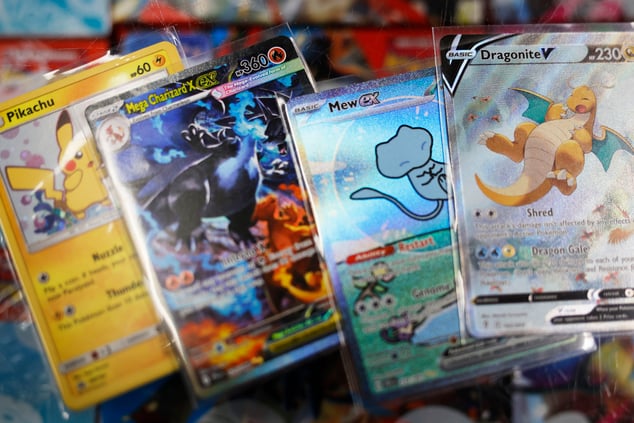
External authentication is now the bedrock of the high-end collectibles market. As Scheper notes, "Absolute nuances, invisible to the untrained eye, are the difference between a five-figure and a six-figure sale." A minor crease on a box or a slight fold in a banknote can slash its value by half. This "grading" process ensures that only the most pristine items reach the auction block, fueling the record-breaking prices seen at firms like Heritage Auctions.
Case Studies in Appreciation
- Barbie Dolls: The first Barbie, released in 1959, is a cornerstone of the market. A mint-condition doll in her original black-and-white swimsuit can fetch up to $27,000.
- Pokémon Cards: Perhaps the most aggressive market, the Pokémon franchise—the world’s largest media property—has seen values skyrocket. The Pikachu Illustrator Card, recently acquired by investor A.J. Scaramucci, reached an astronomical $16.5 million.
- IKEA Design: Even mass-market furniture has entered the fray. A set of four PS-Jonsberg vases, designed by Hella Jongerius for IKEA in 2006, sold for €2,450—a massive jump from their original €140 price tag.
Expert Perspectives: The Role of Societal Change
Janine Seitz, a prominent futurologist, suggests that we are witnessing a specific type of cultural phenomenon. "Everyday objects evolve into collector’s items when they represent a fundamental societal shift," she says. "The iPhone changed the way the entire human race communicates. Because almost everyone has a personal history with that device, the value is not just in the hardware, but in the shared global experience it represents."

Seitz warns, however, that not every object will follow this trajectory. She points to the decline of the stamp-collecting market as a cautionary tale. In the 1970s and 80s, stamps were a primary hobby because they were a necessity of communication. As digital technology replaced physical mail, the utility—and subsequently the emotional connection—to stamps faded.
The Future of Collecting: Where is the Value?
Predicting what will be valuable in twenty years is the "holy grail" of the collector’s market. While no one can provide a guarantee, experts at platforms like Catawiki point to several emerging trends:
1. Digital Content as Hardware Value
Toby Wickwire, a technology expert at Catawiki, argues that future collectors will value devices not for the chips inside, but for the "digital history" they hold. "Devices are increasingly collected for the software installed on them," Wickwire says. He points to smartphones containing discontinued apps like Flappy Bird or game consoles with "Playable Teasers"—limited-run demos that were removed from public access. These currently trade for between €400 and €800, but their value is expected to climb as the software becomes harder to run on modern hardware.
2. The AI Frontier
Futurologist Janine Seitz suggests that early AI-generated imagery may become the next major collectible category. "Specifically, early AI images that contain ‘glitches’—like a human with six fingers—could become iconic markers of the early generative AI era, much like misprinted stamps are today."

3. Sustainability and The "Forgotten" Objects
Giovanni Cerra, an expert in sports memorabilia, notes that some of the most valuable items are those that were treated as disposable. "Tickets for major sports events are a prime example. As the industry moves toward digital-only entry, the physical ticket stub becomes an extreme rarity." He also highlights the growth potential in women’s sports memorabilia. "The market for women’s football jerseys is still in its infancy, yet the cultural impact of the sport is growing exponentially. Early, match-worn jerseys are currently undervalued assets."
Implications for Investors and Collectors
While the stories of million-dollar sales capture headlines, it is vital to distinguish between a long-term cultural trend and a short-term social media "hype."
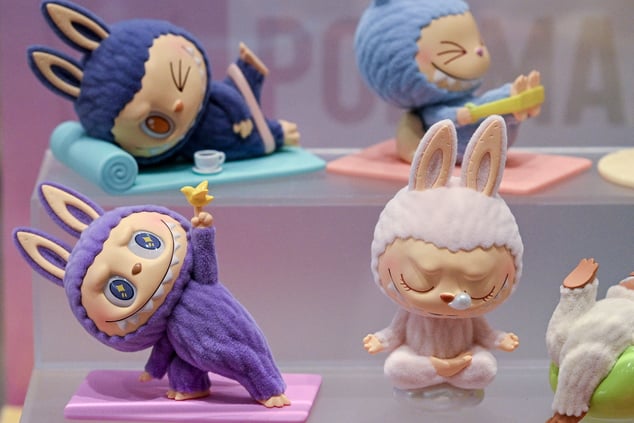
Seitz emphasizes that the market is currently experiencing high volatility due to the rapid-fire nature of modern consumerism. Platforms like TikTok and Instagram create "flash-in-the-pan" crazes for products—such as certain plush toys or limited-edition collaborations—that may not have the staying power of a 30-year-old franchise like Pokémon.
"The fundamental prerequisite for a collectible is an emotional bond," Seitz says. "People do not build deep, lifelong connections to objects that disappear from the cultural conversation within a few months."

Risk and Reality
The most critical takeaway for any aspiring collector is that speculation carries significant risk. The market for high-end collectibles is illiquid, unregulated, and highly subjective. Prices are driven by a small pool of high-net-worth individuals and a larger, often fickle, community of enthusiasts.
Furthermore, the "perfect condition" requirement creates a paradox: to be valuable, the item must have never been used for its intended purpose. This creates a graveyard of pristine, functional technology that will never be turned on and toys that will never be played with.
Conclusion
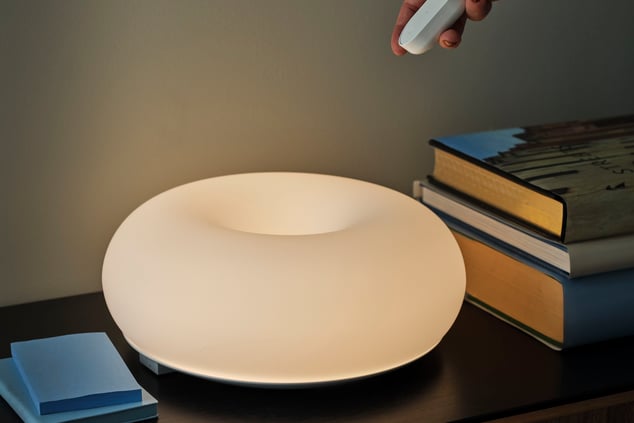
The rise of the nostalgia economy is a testament to how our material world is being re-evaluated in an age of digital transformation. Whether it is a sealed 2007 iPhone, a rare Pokémon card, or a discontinued IKEA lamp, these items act as anchors for our collective memory. While the prospect of turning a $500 investment into $190,000 is alluring, the true value for most remains in the narrative—the ability to hold a piece of history that, for a fleeting moment, changed the world.
For those looking to build a collection, the advice from the experts is consistent: follow the cultural impact, prioritize condition, and above all, focus on the emotional connection that will likely endure for generations to come. The next "million-dollar item" might just be sitting in your junk drawer, waiting for the world to catch up to its significance.