Introduction: A Cycle of Empty Promises
The "Berlin Process," initiated by former German Chancellor Angela Merkel, was designed to be a catalyst—a fast-track mechanism to shepherd the countries of the Western Balkans into the European Union. Years later, the process has become a symbol of stagnation. Albania, Bosnia and Herzegovina, Kosovo, Montenegro, North Macedonia, and Serbia remain caught in a bureaucratic purgatory, watching as newer candidates like Ukraine and Moldova leapfrog them in the geopolitical queue.
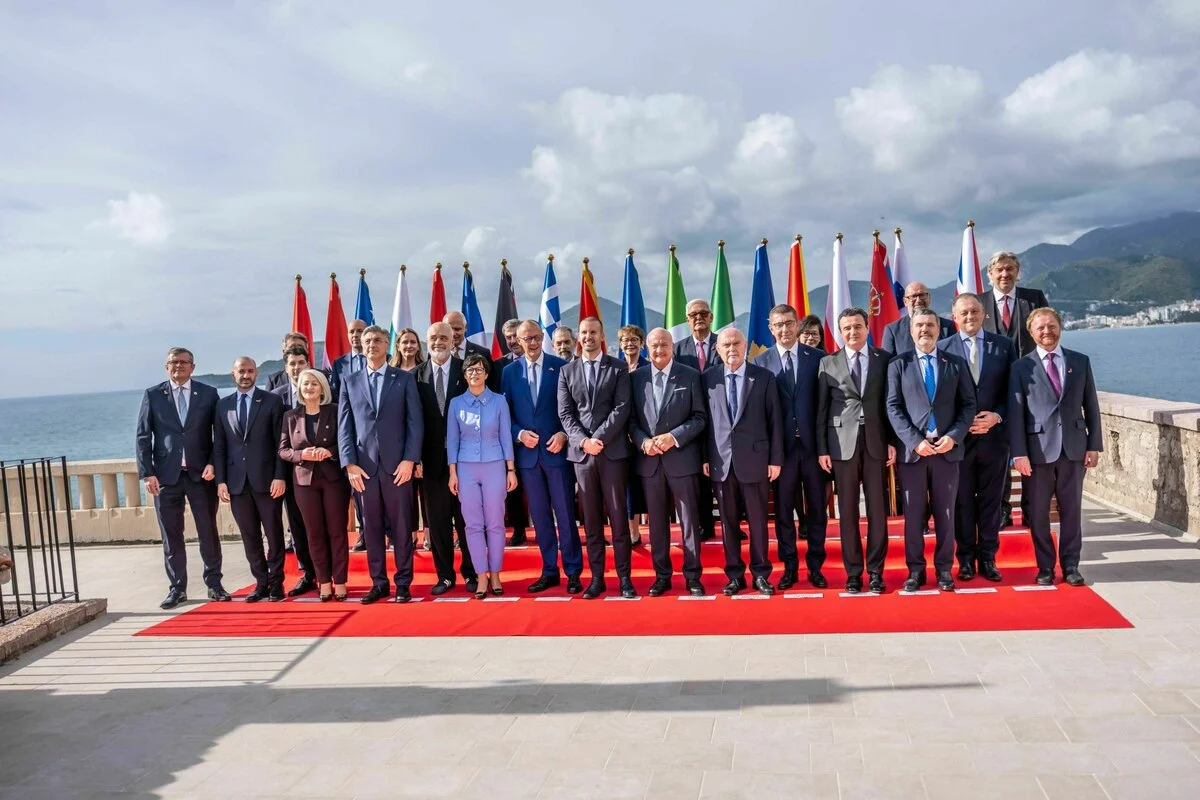
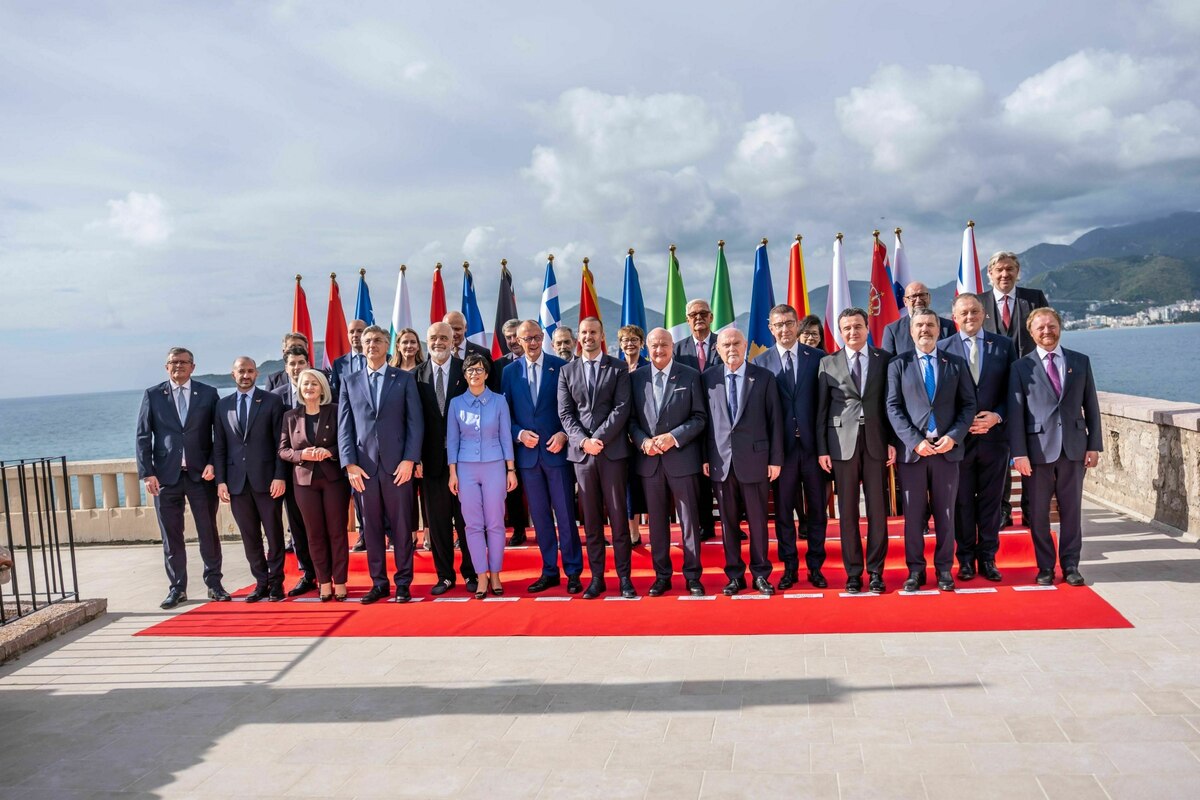
During the recent EU-Western Balkans summit in Sveti Stefan, German Chancellor Friedrich Merz attempted to inject fresh momentum into these stalled negotiations. He reaffirmed his personal commitment to the region, promising that Germany would stand by these nations as they navigate the arduous path toward integration. Yet, beneath the diplomatic rhetoric, the reality remains stark: the Balkan states are being offered a "waiting room" rather than a seat at the table.
The Chronology of Stalled Aspirations
To understand the frustration in the Balkans, one must look at the timeline of the Berlin Process. Launched in 2014, the initiative was built on the optimistic premise that economic integration and regional cooperation would pave the way for political membership.
- 2014–2016: The honeymoon phase of the Berlin Process. High-level summits promised infrastructure connectivity and youth exchange programs, fostering a sense of inevitability regarding future membership.
- 2017–2020: The "Reform Fatigue" era. As internal EU politics shifted, particularly with the rise of right-wing populism in member states, the appetite for enlargement began to wane. The accession of new members became a secondary concern to internal EU institutional reform.
- 2022–Present: The geopolitical pivot. Following the full-scale invasion of Ukraine, the EU’s enlargement strategy underwent a radical transformation. Ukraine and Moldova were granted candidate status with unprecedented speed, leaving the Western Balkan nations—some of whom had been waiting for two decades—feeling sidelined and undervalued.
Supporting Data: The Economic and Geopolitical Cost
The current state of affairs is not merely a diplomatic disappointment; it is an economic and security risk. The Western Balkan region, with a combined population of roughly 18 million, sits at the crossroads of European interests.
The Security Vacuum
The vacuum created by the EU’s indecision is being actively filled by external powers. Russia, China, the United States, and the Gulf states have all increased their footprint in the region.
- Russia: Utilizes historical and religious ties, particularly in Serbia and the Republika Srpska, to sow discord and prevent regional alignment with NATO and EU security policies.
- China: Has invested heavily in infrastructure projects, often through debt-trap diplomacy, which complicates future alignment with EU standards on procurement and transparency.
- The Gulf States: Have channeled significant capital into real estate and tourism, exerting soft power in coastal regions like Montenegro.
Economic Stagnation
Without the certainty of EU membership, foreign direct investment remains volatile. Businesses are hesitant to commit long-term capital to countries where the legal and regulatory framework remains disconnected from the EU single market. The brain drain—the migration of young, educated professionals to the EU—has reached critical levels, threatening the long-term demographic stability of the Balkan states.

The "Privileged Partnership" Alternative
During the June summit, Germany and France proposed a compromise: a "privileged access" model. This framework would allow Balkan countries to participate in the EU single market and send observers to EU institutions without the full rights and obligations of membership.
Critics argue this is a "consolation prize" designed to keep the region stable without committing to the profound institutional changes required for an enlarged EU. In the words of some regional analysts, it is the difference between being a guest in a luxury villa and being stuck in an airport lounge with only a voucher for a sandwich. The proposal raises a fundamental question: Is this a legitimate transition phase, or is it a permanent barrier to full integration?
Official Responses and Political Realities
Chancellor Merz’s support for the region is genuine, but his influence is constrained by the domestic realities of his European partners. With national elections looming in France, Italy, Poland, Finland, Greece, Estonia, and Slovakia over the next year, few leaders are willing to spend political capital on the unpopular topic of further EU expansion.

Public opinion in many EU member states remains skeptical. Concerns regarding the rule of law, corruption, and the potential for a "second-tier" of members who might block essential decisions lead to a gridlock. For Merz to succeed, he would need not only to convince the Balkan leaders to enact painful reforms but also to convince his own European peers that a larger EU is a stronger, more resilient bloc rather than a dysfunctional one.
Implications: The Risk of Disillusionment
The most dangerous outcome of this ongoing stagnation is not just the delay of membership, but the erosion of trust in the "European Project" itself. If the citizens of the Western Balkans conclude that the EU’s promises are hollow, they will turn elsewhere.
- Democratic Backsliding: Without the "carrot" of EU membership, the incentive for regional leaders to maintain democratic standards, press freedom, and judicial independence diminishes.
- Increased Regional Tension: The unresolved status of Kosovo and the ongoing internal struggles in Bosnia and Herzegovina require active, credible EU mediation. If the EU is perceived as an unreliable partner, its ability to act as a neutral arbiter evaporates.
- Geopolitical Irrelevance: If the Western Balkans become a permanent buffer zone rather than a core part of the European family, the EU forfeits its ability to project stability and prosperity into its own immediate neighborhood.
Conclusion: A Need for Honesty
The European Union stands at a crossroads. It can continue to offer vague promises and "waiting room" status to the Western Balkans, or it can fundamentally restructure its approach to integration.

Honesty is required on both sides. The candidate countries must accelerate the hard work of domestic reform, even when the path is not guaranteed. Conversely, the EU must move beyond the cycle of empty rhetoric. If the bloc truly believes in the necessity of a unified continent, it must develop a credible, transparent, and binding roadmap for accession. Anything less is merely a delay tactic that risks the stability of the entire region and undermines the geopolitical credibility of the Union itself.
As Chancellor Merz poses for the traditional "family photo" with Balkan leaders, he should be reminded that a family is defined by inclusion and shared responsibility. Currently, the Western Balkans are being treated as distant cousins who are invited to the reception, but never to the dinner table. If the EU wants to be a global player, it must start by finishing the work in its own backyard.