Executive Summary
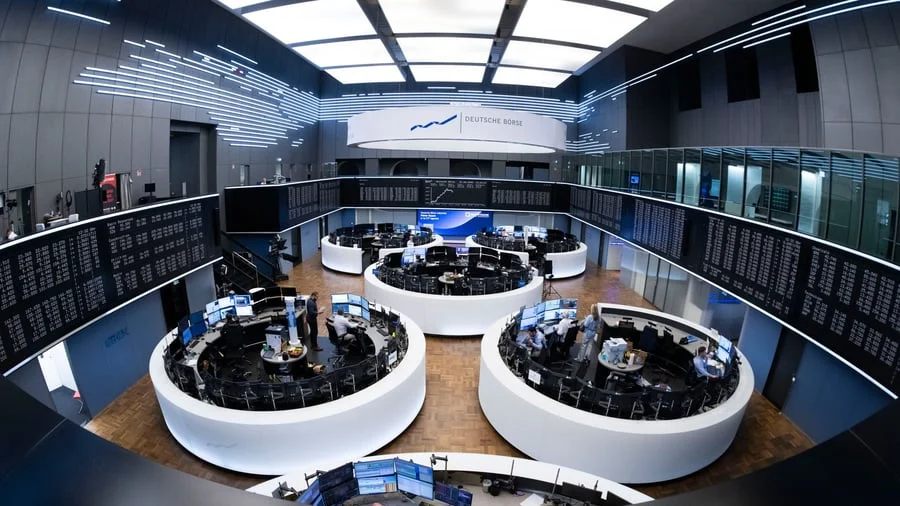
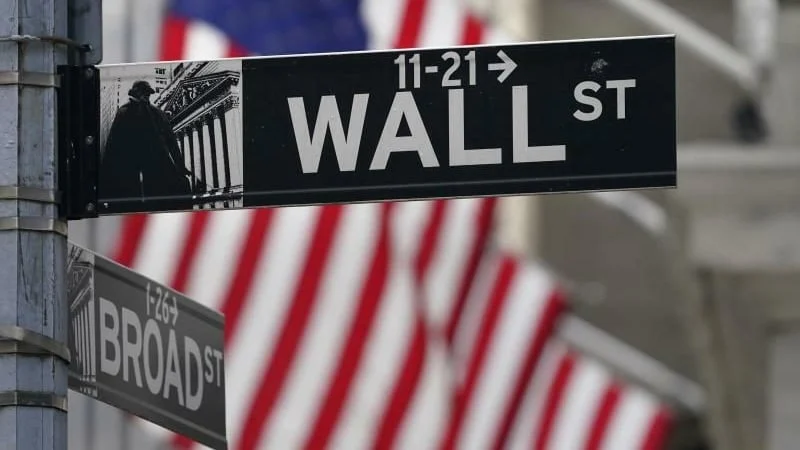
The U.S. financial markets are currently navigating a turbulent period, characterized by a distinct divergence in investor sentiment. While the ongoing corporate earnings season has provided a significant tailwind for the technology sector, broader market indices are displaying an inconsistent performance as they open the trading week. This state of flux is largely driven by a confluence of macroeconomic pressures, most notably the heightened volatility in the global energy markets and the persistent shadow of geopolitical instability in the Middle East. As investors weigh strong corporate balance sheets against the looming specter of sustained high interest rates, the Federal Reserve remains the focal point of market speculation.
The Core Dynamics: A Market of Two Halves
The current landscape of the U.S. stock market is defined by a dichotomy. On one side, the earnings season—the lifeblood of stock valuations—has offered a welcome reprieve for bullish investors. The technology sector, in particular, has demonstrated resilience, with several major players reporting robust quarterly results that suggest digital transformation and AI integration continue to drive revenue growth despite macroeconomic headwinds.
However, this optimism is being tempered by the broader indices, which are experiencing a "wait-and-see" approach. The divergence reflects a market that is fundamentally conflicted: the micro-level data (earnings) remains encouraging, but the macro-level indicators (oil prices, geopolitical risk, and monetary policy) are flashing warnings. Investors are finding it increasingly difficult to decouple the strength of individual high-growth companies from the systemic risks posed by external volatility.
Chronology of Market Turbulence
The current instability did not occur in a vacuum. To understand the current market behavior, one must look at the recent sequence of events:
- The Middle East Escalation: The sudden intensification of regional tensions in the Middle East acted as the primary catalyst for the recent energy price shock. The immediate market reaction was a sharp, rapid increase in the price of crude oil, as traders priced in the potential for regional supply chain disruptions.
- The "Achterbahnfahrt" (Rollercoaster) Effect: As noted by Suvro Sarkar, an energy analyst at DBS, the past several trading days have been marked by extreme volatility. Prices surged on fear, corrected on rumors of diplomatic intervention, and surged again as hopes for a swift resolution faded.
- The Fed’s Shadow: Throughout this period, the Federal Reserve’s communication strategy has been under a microscope. Recent rhetoric from central bank officials has served to calm immediate fears of a rate hike in the October 28 meeting, yet the December outlook remains significantly more hawkish.
Supporting Data: The Energy Equation
The correlation between energy prices and the broader equity market is becoming increasingly tight. On Wednesday, the price of Brent crude—the global benchmark—rose by 1.5%, climbing to over $110 per barrel. This is not merely a number on a chart; it is a fundamental input cost that affects the entire U.S. economy.
The Inflation-Energy Link
High oil prices act as a "hidden tax" on consumers and corporations alike. When energy costs rise, they permeate every aspect of the supply chain, from transportation to manufacturing. For the Federal Reserve, this presents a significant dilemma. If the central bank attempts to curb inflation by keeping interest rates high, it risks cooling an already fragile economy. If it cuts rates, it risks allowing inflation to become entrenched.
Market Probability Metrics
Data from the futures markets indicates that while the immediate risk of a rate hike is perceived as low for the late-October meeting, the sentiment for December is starkly different. Current market pricing models estimate a 90% probability of a Federal Reserve interest rate hike before the end of the year. This high level of certainty acts as a weight on equities, as higher borrowing costs generally compress price-to-earnings (P/E) ratios.
Official Responses and Expert Analysis
Kyle Rodda, Senior Financial Market Analyst at capital.com, emphasizes that we are in a phase of "multi-factor friction." According to Rodda, the market is not just fighting one fire, but a series of interconnected risks.
"The markets are currently grappling with several risk factors simultaneously," Rodda noted. "When you combine the instability of the oil market with the uncertainty surrounding global geopolitical hotspots, the result is an environment where investors are inherently more cautious."
Suvro Sarkar of DBS adds a layer of human psychology to the financial data. "Investors are torn between the hope for diplomatic mediation—specifically looking toward Pakistan’s efforts in the Iran crisis—and the grim reality that a lasting peace remains a distant prospect." This tension is exactly what prevents the market from finding a clear direction.
Implications for Investors
What does this mean for the average market participant? The implications are multifaceted:
1. The Flight to Quality
Given the volatility, there is a clear shift toward "quality" stocks. Companies with strong balance sheets, high cash reserves, and low debt-to-equity ratios are being treated as safe havens. This explains why the tech sector remains the primary driver of performance; these companies have historically been better equipped to navigate high-interest-rate environments.
2. Sectoral Sensitivity
Investors should be prepared for sectoral rotation. Energy stocks are likely to continue their volatility, while consumer discretionary stocks may face pressure as rising energy costs reduce household disposable income. Conversely, the financial sector may see temporary benefits from higher interest rates, though these are often offset by concerns regarding potential loan defaults if the economy slows.
3. The "Fed Watch" Continues
The upcoming Federal Reserve meetings are no longer just bureaucratic updates; they are the primary inflection points for the remainder of the year. Investors should look for nuance in the FOMC (Federal Open Market Committee) statement regarding "data dependency." If the Fed signals that it is willing to tolerate higher inflation in exchange for economic stability, the market may react positively. If, however, the focus remains squarely on the 2% inflation target, the volatility will likely persist.
Conclusion: Navigating the Uncertainty
As we look toward the remainder of the quarter, the U.S. markets remain in a precarious balance. The strength of the earnings season provides a floor, preventing a total collapse in confidence, while geopolitical risks and the Federal Reserve’s monetary tightening provide a ceiling, limiting the upside.
For the prudent investor, the lesson of the current cycle is clear: diversification is no longer just about asset classes, but about "risk-factor" diversification. In an environment where energy prices, diplomatic breakthroughs, and central bank decisions can shift the market in a matter of hours, agility and a long-term perspective remain the most effective tools. The market is not currently rewarding impulsive trading; rather, it is rewarding those who can decipher the difference between short-term noise and long-term structural shifts.
As we approach the crucial December Fed meeting, all eyes will remain on the intersection of energy costs and inflation, as these two factors will ultimately dictate the trajectory of the U.S. economy well into the next fiscal year. Investors should brace for continued "rollercoaster" conditions, keeping a close watch on how corporate management teams respond to these macro pressures in their upcoming earnings guidance.