The global scientific community is mourning the loss of one of its most articulate and passionate defenders of the natural world. Prof. Josef Settele, a titan of biodiversity research and a pivotal figure in the international effort to reconcile human development with environmental preservation, passed away unexpectedly on October 9, 2026, at the age of 65.
For decades, Settele served as a bridge between the rigorous, often abstract world of ecological data and the urgent, tangible needs of policy-making and public awareness. As a leading voice within the Intergovernmental Science-Policy Platform on Biodiversity and Ecosystem Services (IPBES) and the Intergovernmental Panel on Climate Change (IPCC), he was instrumental in shifting the global conversation toward an integrated understanding of the climate and biodiversity crises.
A Life Dedicated to the Natural World
Born in the Allgäu region of Germany, Josef Settele’s career was defined by an unrelenting curiosity about the interconnectedness of life. As the head of the Department for Conservation Biology at the Helmholtz Centre for Environmental Research (UFZ) in Halle, he established himself as a preeminent expert in insect ecology, land-use change, and the complex dynamics of socio-ecological systems.
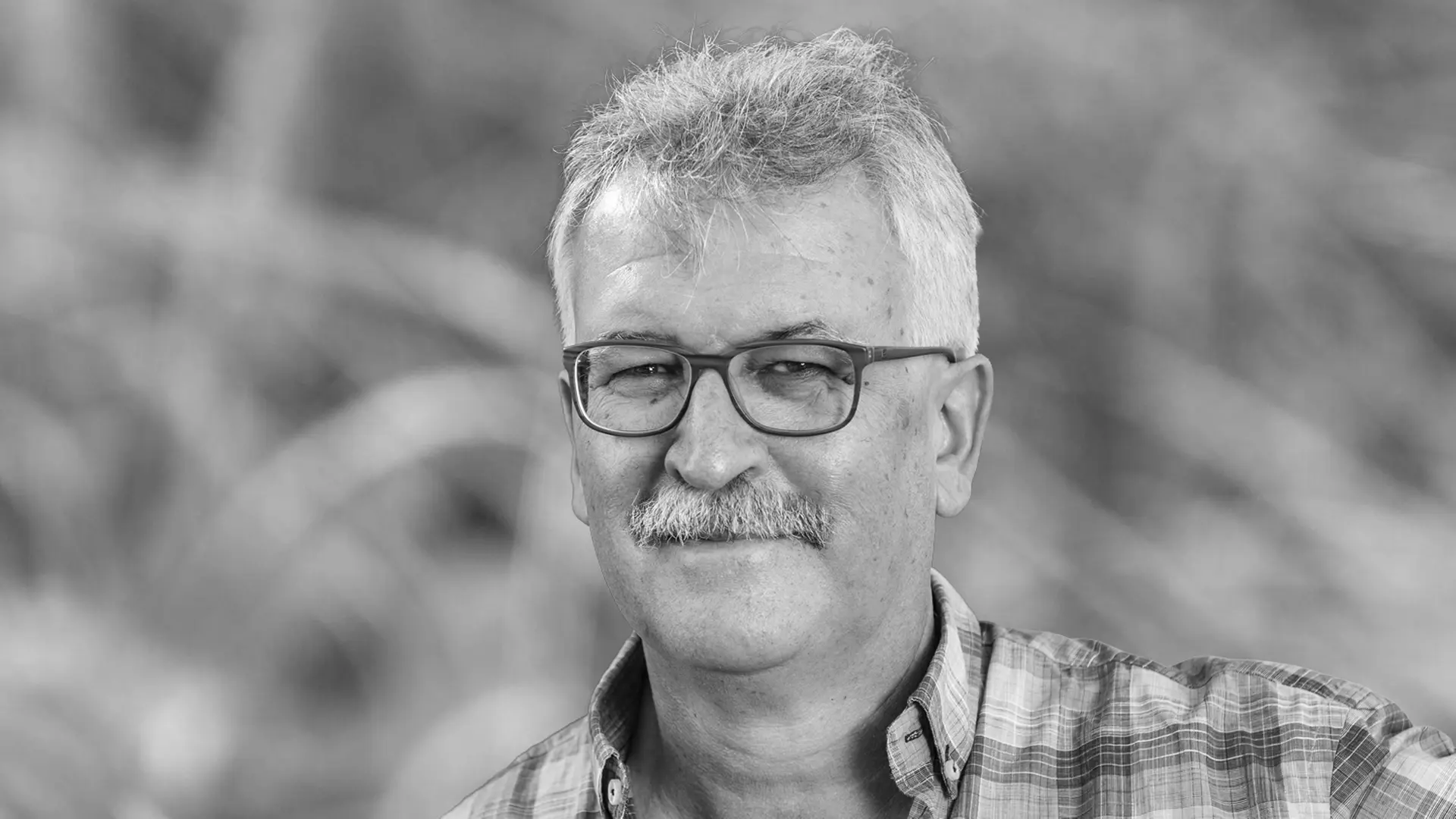
His academic journey was characterized by a rare ability to scale his research from the microscopic—studying individual insect behaviors—to the global, influencing UN-level policy frameworks. His colleagues remember him not just for his intellectual rigor, but for his profound humility and his unwavering commitment to the idea that science is only useful if it is communicated effectively to the society it serves.
Chronology: A Career of Impact
- Academic Foundations: Settele began his career with a strong focus on agricultural science, quickly pivoting to ecology as he recognized the devastating impact of modern land management on insect populations.
- The Monitoring Pioneer: He established the Tagfalter-Monitoring (Butterfly Monitoring) program in Germany, which grew to become the country’s most significant long-term dataset for insect populations. This work provided the evidentiary backbone for much of the later legislation regarding biodiversity loss.
- International Leadership: Settele ascended to the global stage as a lead author for the IPCC and a core contributor to IPBES. He was a central figure in the landmark 2019 Global Assessment Report on Biodiversity and Ecosystem Services, which warned that one million species were at risk of extinction.
- A Lasting Legacy: In 2021, the scientific community honored his contributions by naming a new genus of moths after him—Setteleia. This genus, comprising four species of lichen moths native to the Philippines, serves as a living testament to a man who dedicated his life to the survival of the smallest and most fragile components of our ecosystems.
Supporting Data: Why His Work Mattered
Prof. Settele’s research consistently highlighted the "silent crisis" of insect decline. Through his leadership at the UFZ, he demonstrated that the health of agricultural systems is inextricably linked to the diversity of insects. His data-driven approach challenged the traditional economic models that viewed biodiversity as a "nice-to-have" luxury rather than a fundamental prerequisite for human survival.
In his final years, Settele was particularly vocal about the concept of "ecosystem services"—the benefits that humans derive from nature, such as pollination, water purification, and soil fertility. He often used the phrase, "We are literally eating biodiversity," to underscore the reality that without the complex biological web he studied, global food security would collapse. His work on the "tipping points" of ecosystems—the moments when a system becomes so degraded that it cannot recover—served as a clarion call for urgent, systemic change rather than incremental reform.
Official Responses and Tributes
The Helmholtz Centre for Environmental Research (UFZ) issued a statement expressing profound grief, noting that the scientific community had lost a visionary who understood the "urgency of the planetary emergency."
"Josef was not just a colleague; he was a moral compass for our research community," said a representative from the Martin-Luther-University Halle-Wittenberg, where Settele served as an adjunct professor. "He had the rare gift of being able to translate complex ecological thresholds into a language that politicians could understand and that the public could care about."
The international community, including fellow researchers from the IPCC, have lauded his efforts to bridge the gap between climate science and biodiversity. His insistence that the two issues must be managed as one—rather than as competing priorities—has become the standard approach for modern environmental policy.
The Implications: A Gap in the Frontline
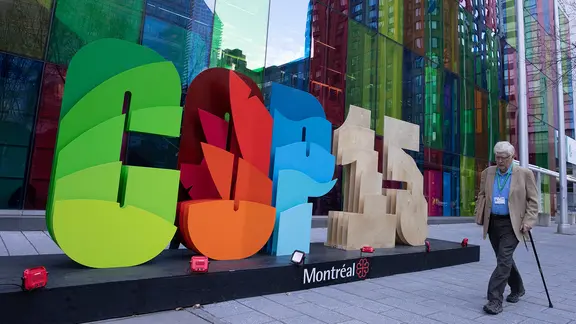
The passing of Josef Settele leaves a significant void in the international scientific arena. At a time when the world is struggling to implement the goals of the Kunming-Montreal Global Biodiversity Framework, the loss of his steady, authoritative, and deeply pragmatic voice is a heavy blow.
However, his influence persists through the next generation of scientists he mentored. Settele was a firm believer in the power of public engagement. He was a frequent contributor to major media outlets and science communication platforms, including MDR WISSEN, where he often argued that the greatest challenge of our time is "intergenerational justice." He noted frequently that society is currently tasked with changing behaviors to protect ecosystems that will not show signs of recovery for decades—a "preventative dilemma" that he worked tirelessly to solve.
Bridging the Gap: Nature and Climate
Settele’s final major arguments focused on the necessity of integrating nature restoration into climate policy. He was a vocal proponent of the UN Decade on Ecosystem Restoration, emphasizing that "repairing" the land is not just an act of charity toward nature, but an act of self-preservation for humanity.
He often warned against the "laundry list" approach to environmental policy, where countries check off small, symbolic boxes while failing to address the structural drivers of degradation—such as intensive land use, chemical pollution, and urban sprawl. His legacy will undoubtedly be the framework he helped build: one that demands a holistic, science-based approach to the future of our planet.
A Final Reflection
Josef Settele’s life was an exercise in dedicated stewardship. Whether he was trekking through a field to count butterfly species or sitting in a high-level UN committee room, he remained focused on the same goal: ensuring that the natural world remained resilient enough to support life for the centuries to come.
As the world continues to grapple with the realities of the climate and biodiversity crises, Settele’s words from a 2022 guest contribution remain hauntingly relevant: "We must succeed in establishing nature and climate protection as a common guiding principle for political action—and we must actually implement the findings!"

For those he leaves behind, the task is clear. The best way to honor a man who spent his life studying the delicate threads of the web of life is to ensure that those threads remain unbroken. The UFZ has opened a book of condolences, where the global community is invited to share memories of a scientist who truly lived his research, and who, in the end, helped the world see the profound beauty in the smallest of things.
Josef Settele is survived by his family and a global network of researchers who carry forward his dedication to the living world.