The summer of 2026 will be remembered as a pivotal moment in the history of European climate monitoring. New data released by the Copernicus Climate Change Service (C3S) paints a sobering portrait of a continent straining under the weight of unprecedented thermal stress. From the drying arteries of its major river systems to the surging temperatures of its surrounding seas, Europe experienced a season defined by hydro-meteorological extremes that highlight the deepening intersection of climate change, energy security, and ecological stability.
According to the latest C3S report, Europe recorded its third-warmest summer on record, while Western Europe endured its hottest summer since observations began. This thermal anomaly was not merely a matter of high air temperatures; it was a systemic shock that impacted water levels, marine ecosystems, and the continent’s industrial backbone.
The Drying Arteries: A Crisis of Hydrology
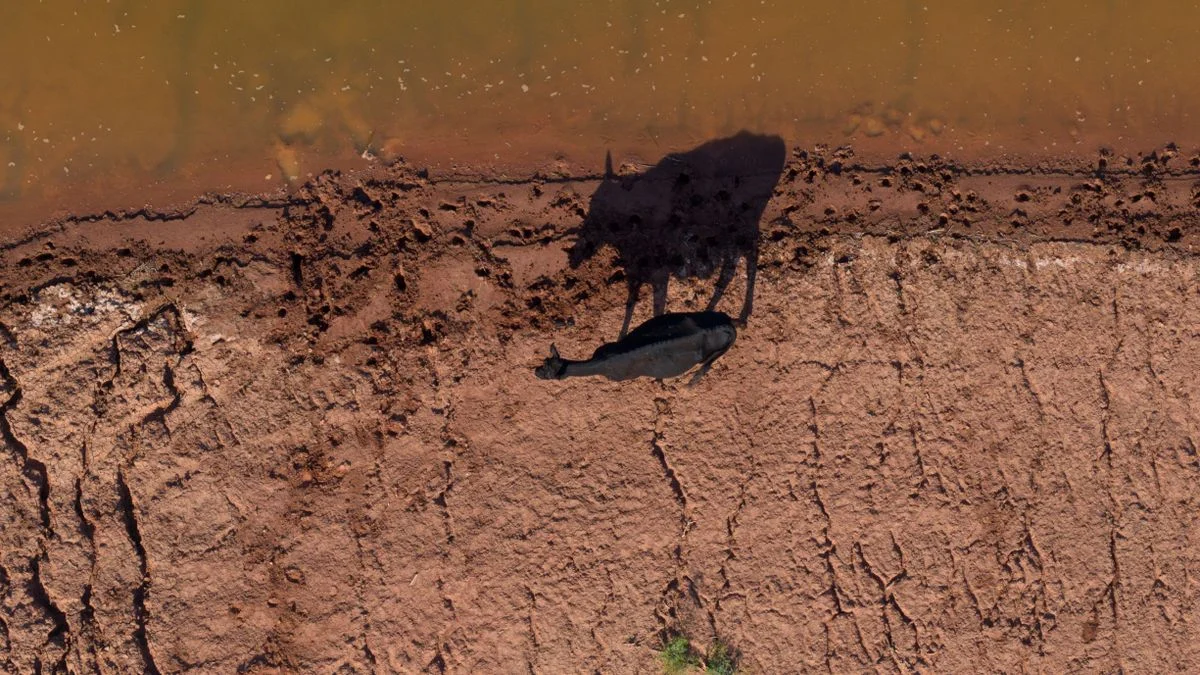
The most alarming finding in the Copernicus report is the collapse of river discharge levels. Across the continent, rivers that serve as the lifeblood for trade, energy, and agriculture saw their flow rates plummet to levels unseen since 1992—the year records began.
In July and August, iconic waterways such as the Rhine, the Danube, the Po, the Loire, the Rhône, and the Seine all registered record-low or near-record-low discharge volumes. This hydrological drought was not limited to a single region but stretched across the European landscape, effectively paralyzing sections of inland navigation and stressing critical infrastructure.
The implications of these low levels were immediate and multifaceted. For energy production, the drought created a "perfect storm." Nuclear power plants, which rely on river water for cooling, were forced to throttle output or implement strict conservation measures to prevent thermal pollution of the rivers. Simultaneously, hydroelectric power, a key component of the transition to renewable energy, saw a significant decline in output due to the lack of reservoir inflow. The situation demonstrated, perhaps more clearly than ever, the fragile nexus between climate stability and the reliability of the European energy grid.
Chronology of an Extreme Summer
The summer of 2026 was characterized by its relentless persistence rather than isolated spikes in temperature. While heatwaves are a natural feature of the European climate, the frequency and duration of these events have reached levels that defy historical norms.
- June Onset: The early summer saw higher-than-average temperatures settling over the Iberian Peninsula and the Mediterranean, setting the stage for a season of sustained thermal accumulation.
- July Peak: As mid-summer approached, the heat intensified, moving northward into France, Germany, and the Benelux regions. It was during this period that river levels began to drop at an accelerating rate, as precipitation failed to replenish the groundwater and surface flow.
- August Persistence: August saw the consolidation of record-breaking heat. A particularly worrying metric was the frequency of "extreme heat days." On 17 distinct days, more than 60 percent of Western Europe experienced temperatures exceeding 30 degrees Celsius. To put this in perspective, that same metric sat at 11 days in 2003 and only 7 days in 2025.
This trend toward longer, more intense, and more widespread heat events is a hallmark of the accelerating climate crisis. The geographic reach of these heatwaves meant that there were few "cool zones" left in Western Europe, limiting the ability of populations and ecosystems to recover during the short, warmer nights.
Supporting Data: The Numbers Behind the Heat
The Copernicus data provides a grim mathematical breakdown of the summer. Western Europe recorded a seasonal average temperature of 21.7 degrees Celsius—a staggering 2.5 degrees above the baseline average recorded between 1991 and 2020.
Furthermore, the scale of human impact was captured by the "extreme heat stress" index. By the end of the season, 52 percent of the European continent had been exposed to heat stress levels classified as "very strong." In practical terms, this equates to the physiological experience of temperatures of 38 degrees Celsius or higher, posing significant health risks to the elderly, the vulnerable, and the labor force.

The marine environment also suffered. The Atlantic coast and both the western and central Mediterranean basins experienced record-breaking sea surface temperatures. These marine heatwaves are not just a problem for aquatic life; they act as a feedback loop for the land. As the Copernicus report notes: "Marine heatwaves can amplify the heat in adjacent coastal regions by limiting nighttime cooling and increasing humidity, thereby exacerbating the heat stress felt by the population."
Official Responses and Strategic Implications
The EU-led climate monitoring program has been explicit in its assessment: the challenges faced this summer are no longer just environmental—they are deeply geopolitical. The intersection of drought and energy production has forced policymakers to rethink the resilience of the European Union’s energy infrastructure.
"This underscores the close connection between climate change and geopolitical challenges such as energy security," stated representatives from the Copernicus service. The inability to rely on traditional cooling water for nuclear plants or consistent flow for hydropower forced a shift in energy purchasing strategies, often at a higher cost and with a higher carbon footprint, as countries scrambled to fill supply gaps during the peak of the heat.
Furthermore, the agricultural sector faced unprecedented pressure. The lack of available freshwater for irrigation, combined with the extreme heat, led to crop failures and necessitated emergency water management policies across the continent. This has sparked a renewed debate within the European Parliament regarding the necessity of a unified, cross-border water management strategy to prepare for a future where such droughts become the "new normal."
The Path Forward: Resilience or Adaptation?
The summer of 2026 serves as a stark reminder that the climate crisis is not a distant threat, but an active participant in European daily life. The record-low river flows and record-high air temperatures have exposed the limitations of current infrastructure.
As scientists continue to analyze the data, the consensus is shifting from mere monitoring to an urgent call for adaptation. Solutions currently being debated include:
- Water Diversification: Moving away from a reliance on river-dependent cooling for heavy industry and power generation.
- Infrastructure Resilience: Retrofitting energy grids to better handle the volatility caused by climate-stressed renewables.
- Urban Cooling Initiatives: Implementing nature-based solutions in cities—such as increased canopy cover and water-permeable surfaces—to combat the "urban heat island" effect that contributed to the extreme heat stress reported this summer.
The Copernicus report concludes with a chilling, though familiar, warning: the duration and geographic reach of this summer’s heat are indicative of a system that is pushing past its historical boundaries. As Europe looks toward the coming years, the events of 2026 will serve as the benchmark for a new era of climate risk management. The question remains whether the continent can adapt its economic and social structures quickly enough to keep pace with the rapidly changing environment.
The message is clear: The rivers may eventually rise again, but the underlying vulnerability of the European continent to a heating planet is a permanent fixture of our future. Addressing this will require more than just emergency management; it will require a fundamental reassessment of how Europe consumes energy, manages its water, and protects its citizens from the persistent, invisible threat of the heat.